
A single missing signature can delay a whole sale, and this situation comes up more often than most people realize.
When a separating couple finally gets an offer on their home, many believe the toughest part is behind them.
The house is cleaned, photos are taken, showings are finished, and at last, an offer comes in. Everyone breathes a small sigh of relief.
But then, out of nowhere:
One person refuses to sign.
Sometimes, it’s because they truly don’t like the offer. Other times, they think the price is too low. Emotions can also come up unexpectedly.
In some cases, the refusal to sign isn’t really about the offer at all.
This is often one of the most stressful moments in separation-related home sales, since it usually surprises both people involved.
One spouse may think:
“We already agreed we were selling.”
At the same time, the other person might suddenly feel overwhelmed, realizing that selling the home makes the separation feel truly real for the first time.
Before going further, it’s important to note that this article is intended for general informational purposes only and should not be considered legal advice. Every separation and ownership situation is different, and legal guidance should always be obtained before making major property-related decisions during separation.
In Nova Scotia, whether one spouse can refuse to sign, and what happens next, often depends on:
- Whether the couple is married or common law
- Whose name is on title
- Whether the home is considered a matrimonial home
- What legal agreements already exist
- And whether court orders or separation agreements are already in place
In many situations involving married couples, both spouses may need to consent to the sale of a matrimonial home, even if only one person is technically on title.
This surprises people more often than you might expect.
Many people think that once the home is listed, everything will happen automatically. In reality, the property can’t be transferred without a signed agreement from both sides.
Without that agreement, the process can slow down fast.
A common misconception is thinking that a refusal always means:
“The deal is dead.”
Sometimes that’s true.
But often, refusing to sign is less about the offer and more about:
- Fear
- Control
- Uncertainty
- Resentment
- Financial panic
- Or just not feeling ready for what comes next
Selling a home during a separation can feel strange because it happens in stages. People know in their minds that the relationship is ending, but the sale makes it real much later.
But when an offer comes in, the situation suddenly feels real.
The sale is no longer just an idea.
This emotional shift can cause hesitation, even when both people are trying to work together.
People also often overlook the financial problems that can come from delaying the sale for too long.
Depending on the situation, prolonged delays can sometimes lead to:
- Ongoing double housing expenses
- Growing legal fees
- Missed market opportunities
- Deferred maintenance
- Increased debt loads
- Refinancing complications
- Additional interest costs
- Or prolonged financial entanglement between the two parties
Emotionally, ongoing uncertainty can leave people feeling stuck much longer than they thought.
I often tell clients that putting off decisions during separation is like leaving a moving truck packed in the driveway with the engine running. Sooner or later, the emotional and financial costs of waiting start to pile up.
That doesn’t mean every offer should automatically be accepted. Sometimes hesitation is valid. Sometimes an offer truly is too low, poorly structured, or not in either party’s best financial interest.
But it does mean that separating couples need to realize that waiting to make decisions can have real financial consequences, especially if costs or conflicts are already rising.
I’ve also seen situations where one spouse refuses to sign because they genuinely believe the offer is too low or poorly structured.
And sometimes they’re right.
This is when having expert advice on pricing becomes very important.
When emotions run high, people often react in extreme ways:
- Accepting too quickly out of exhaustion
- Rejecting emotionally because the number feels personal
- Or giving the property a special meaning that the market doesn’t see
The market does not price homes based on memories, effort, or emotional attachment. It prices them based on:
- Condition
- Location
- Timing
- Inventory
- And buyer demand
This gap in understanding can lead to big conflicts during negotiations.
One thing I often tell clients is:
The home sale can become the main emotional turning point during a separation.
For months, people may have been operating inside logistics:
- Paperwork
- Schedules
- Lawyers
- Finances
- Parenting arrangements
But saying yes to an offer suddenly makes the separation feel real.
People begin thinking:
- “Where will I live?”
- “What happens to the kids?”
- “What if I regret this?”
- “What if I can’t afford the next step?”
And fear often makes people hesitate to sign.
Things usually go more smoothly when couples talk about their expectations before any offers come in.
That includes conversations around:
- Acceptable pricing ranges
- Preferred closing timelines
- How negotiations will be handled
- Who has the authority to communicate decisions
- And what happens if disagreements arise
Without these talks, accepting an offer can feel less like progress and more like being under pressure.
One big mistake I see is couples thinking that their emotional cooperation will stay the same throughout the sale.
Unfortunately, emotions usually get stronger as closing day gets closer, not weaker.
That’s why having a clear structure is so important.
You can think of the sale process like crossing a suspension bridge in strong winds. The stronger the supports, the steadier the crossing feels.
Professional guidance helps create:
- Neutrality
- Communication structure
- Realistic expectations
- And decision-making space
This is especially true when emotions and deadlines start to clash.
If one spouse continually refuses reasonable offers or obstructs the process entirely, legal intervention may eventually become necessary. But court involvement is usually:
- Expensive
- Emotionally draining
- Time-consuming
- And financially inefficient
Most professionals who help with separation-related sales would much rather see couples reach workable agreements before things get that serious.
Even if cooperation isn’t perfect, it’s usually much less costly than ongoing conflict.
Final Thoughts
When one spouse refuses to sign an offer, the disagreement is rarely just about the paperwork itself.
Usually, it’s about:
- Fear of change
- Financial uncertainty
- Emotional attachment
- Control
- Timing
- Or just not feeling ready for life after the sale
The sooner separating couples set clear expectations, establish communication, and define decision-making, the smoother the sales process tends to be.
Once an offer comes in, decisions often have to be made quickly. It’s much easier to make those decisions if you’ve already done the groundwork.
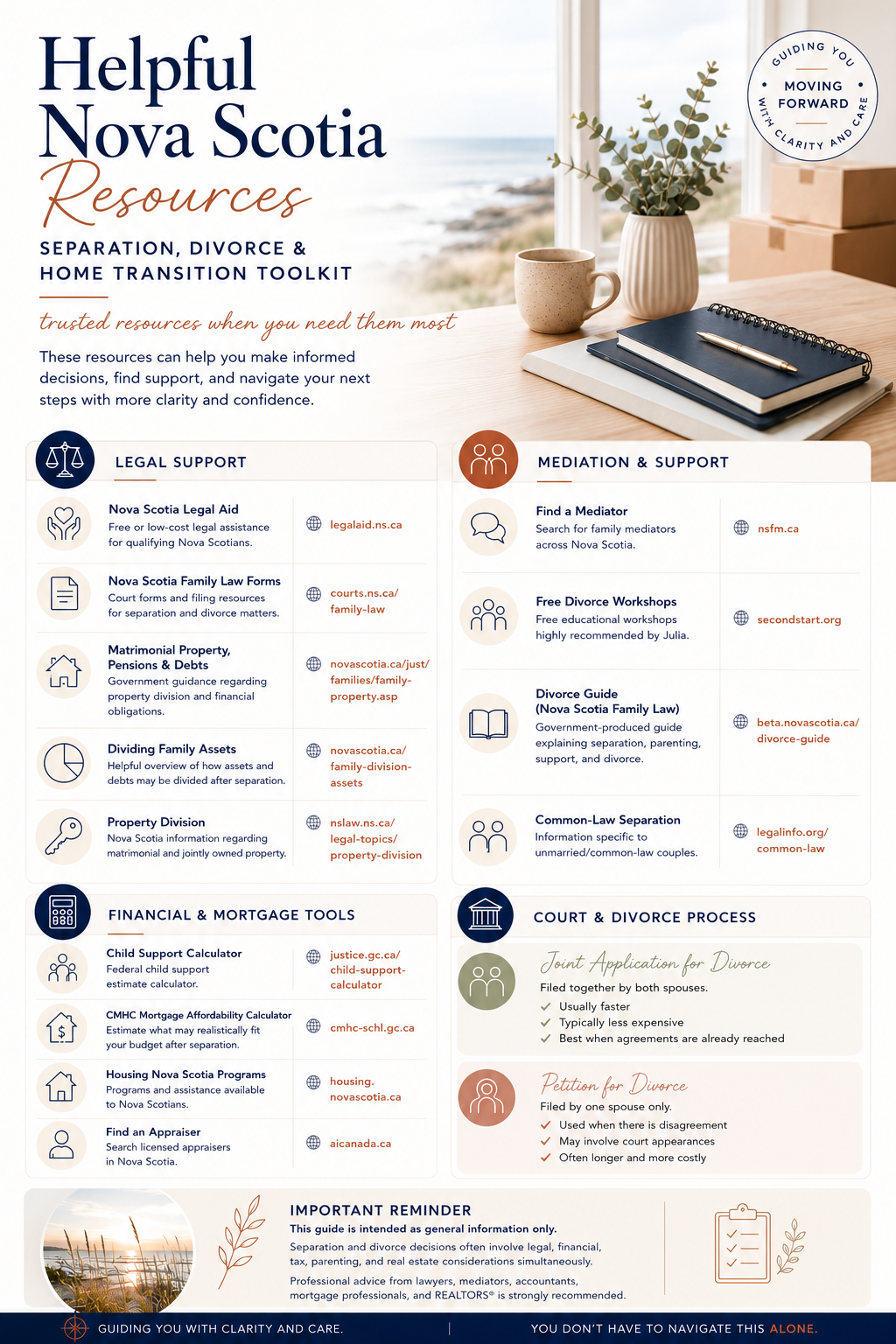
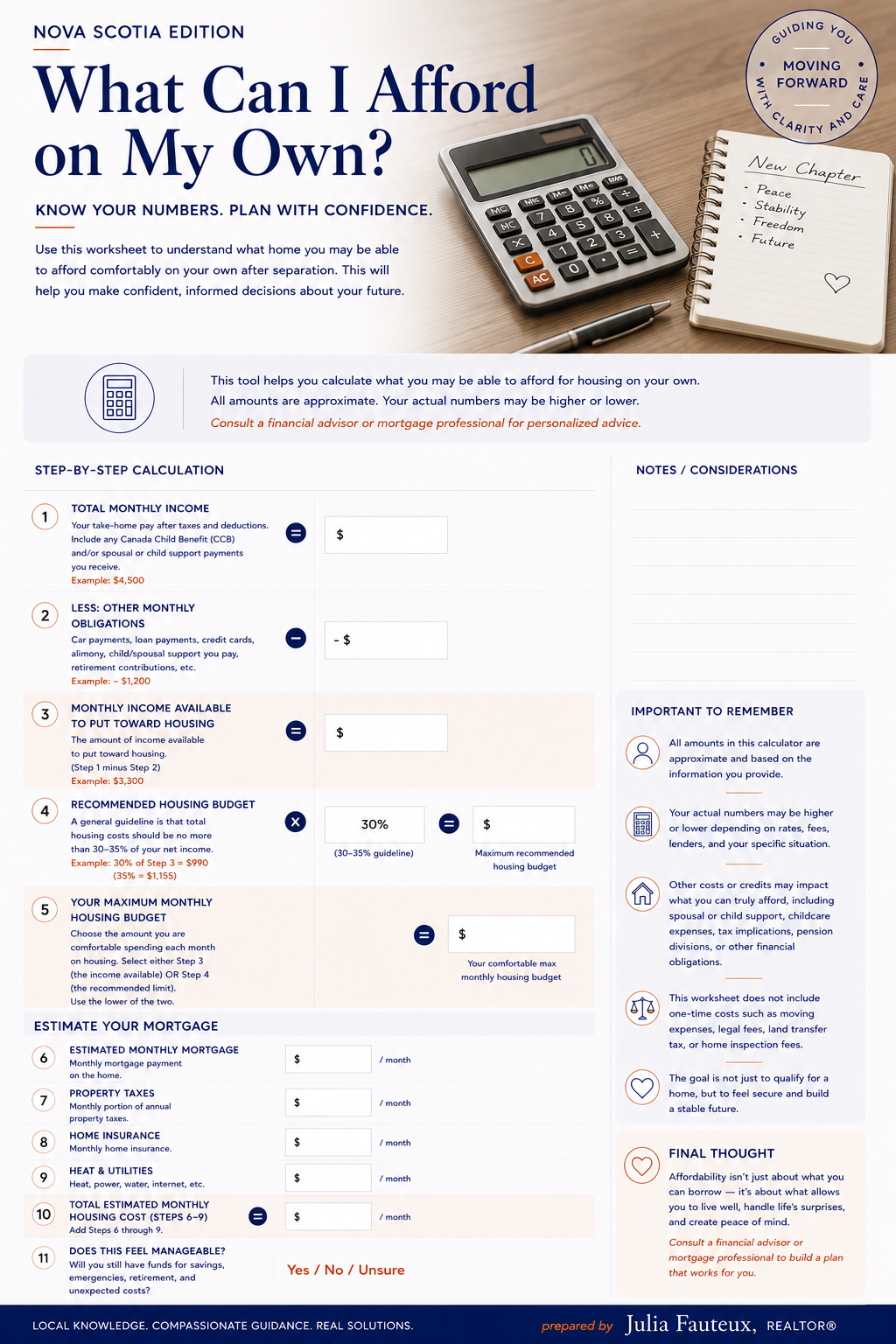
If you want to know what a separation-related home sale might look like in Nova Scotia, I’m always available for a confidential chat.


 Information should be deemed reliable but not guaranteed, all representations are approximate, and individual verification is recommended. Copyright ©2017 All rights reserved.
The trademarks REALTOR®, REALTORS® and the REALTOR® logo are controlled by The Canadian Real Estate Association (CREA) and identify real estate professionals who are members of CREA. The trademarks MLS®, Multiple Listing Service® and the associated logos are owned by CREA and identify the quality of services
provided by real estate professionals who are members of CREA. Used under license.
Show More...
Information should be deemed reliable but not guaranteed, all representations are approximate, and individual verification is recommended. Copyright ©2017 All rights reserved.
The trademarks REALTOR®, REALTORS® and the REALTOR® logo are controlled by The Canadian Real Estate Association (CREA) and identify real estate professionals who are members of CREA. The trademarks MLS®, Multiple Listing Service® and the associated logos are owned by CREA and identify the quality of services
provided by real estate professionals who are members of CREA. Used under license.
Show More...
 All information deemed reliable but not guaranteed. All properties are subject to prior sale, change or withdrawal. Neither listing broker(s) or information provider(s) shall be responsible for any typographical errors, misinformation, misprints and shall be held totally harmless. Listing(s) information is provided for consumer's personal, non-commercial use and may not be used for any purpose other than to identify prospective properties consumers may be interested in purchasing. The data relating
to real estate for sale on this website comes in part from the Internet Data Exchange program of the Multiple Listing Service. Real estate listings held by brokerage firms other than REMAX Nova may be marked with the Internet Data Exchange logo and detailed information about those properties will include the name of the listing broker(s) when required by the MLS. Copyright ©2026 All rights reserved.
Last Updated: September 21, 2026 2:14 PM UTC
Show More...
All information deemed reliable but not guaranteed. All properties are subject to prior sale, change or withdrawal. Neither listing broker(s) or information provider(s) shall be responsible for any typographical errors, misinformation, misprints and shall be held totally harmless. Listing(s) information is provided for consumer's personal, non-commercial use and may not be used for any purpose other than to identify prospective properties consumers may be interested in purchasing. The data relating
to real estate for sale on this website comes in part from the Internet Data Exchange program of the Multiple Listing Service. Real estate listings held by brokerage firms other than REMAX Nova may be marked with the Internet Data Exchange logo and detailed information about those properties will include the name of the listing broker(s) when required by the MLS. Copyright ©2026 All rights reserved.
Last Updated: September 21, 2026 2:14 PM UTC
Show More...