People often talk about moving to Cape Breton as if the whole island offers the same way of life.
It doesn’t.
Living in Sydney is quite different from living near Inverness, Chéticamp, Baddeck, Ingonish, St. Peter’s, Louisbourg, or any of the smaller communities in between. Sydney feels like a small city, with regional healthcare, a university, public transit, shopping areas, and many services close by. Once you leave Sydney and its larger neighboring communities, Cape Breton quickly becomes much more rural.
This difference is important when you compare Cape Breton to Halifax.
You are not just choosing between a busy city and a quiet island. You are deciding between different levels of access, convenience, privacy, driving, job options, healthcare, and community life.
Halifax: more access and more flexibility.
Halifax has the most jobs, healthcare, schools, shopping, restaurants, professional services, recreation, and entertainment in Nova Scotia. Halifax Transit runs regular and express buses, regional routes, ferries, and accessible transportation in parts of HRM. Halifax Stanfield is also the province’s main airport for national and international flights.
That level of access affects everyday life.
You usually have more choices for grocery stores, pharmacies, schools, clinics, gyms, contractors, restaurants, and kids’ activities. If one place cannot help you, there is often another nearby. You can also change jobs more easily without having to move.
The downside is that you might pay more to live close to things but get less space. Depending on where you buy in Halifax, you may have to give up lot size, privacy, a shorter commute, parking, or the condition of the home.
Often, you are not just paying for the house itself. You are also paying for how easily you can get to everything else you need.
Cape Breton is not a single housing market or a single lifestyle.
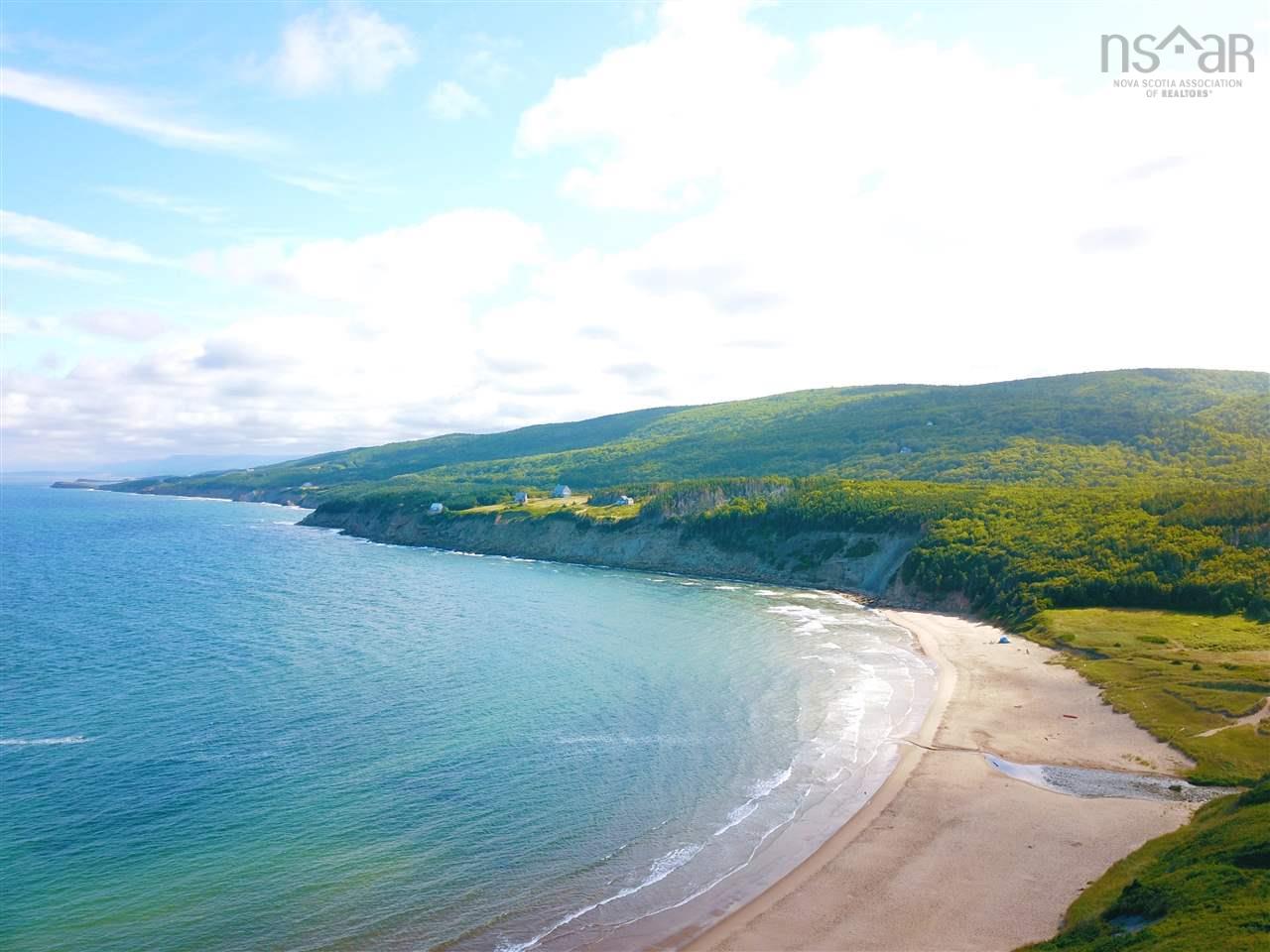
Cape Breton is a big island with a lot of variety in its landscape. It includes Sydney and nearby communities in the Cape Breton Regional Municipality, plus towns and villages in Inverness, Richmond, and Victoria counties.
The island is famous for its coastline, Bras d’Or Lake, Cape Breton Highlands, the Cabot Trail, golf, hiking, and strong Mi’kmaw, Acadian, and Gaelic cultures. The Cabot Trail itself is about 298 kilometres long, showing just how spread out the island really is.
A home listed as being “in Cape Breton” might be close to a hospital, university, stores, and transit, or it could be on a rural road where every important errand means a drive.
The price alone will not tell you what kind of lifestyle you are getting. You need to pay close attention to the address.
Is Cape Breton right for you?
Cape Breton can offer everything from small-city convenience to truly rural living—but the right location depends on how much access, privacy, and driving you’re comfortable with.
Take the “Where Should You Live in Nova Scotia?” quiz to discover which community may suit you best.
[ TAKE THE QUIZ ]
If Cape Breton is standing out to you, the next step is understanding the differences within the island itself. Sydney offers the most city-like lifestyle, while the smaller communities and rural areas can be much more remote.
Sydney: the closest Cape Breton comes to a small city.
Sydney is not the same as Halifax, but it does not represent rural Cape Breton either.
Sydney functions as the island’s primary urban and regional service centre. Cape Breton Regional Hospital is located there and serves as the island's regional referral and trauma centre. Cape Breton University is also located in the Sydney area and has nearly 7,000 students from more than 70 countries.
Transit Cape Breton links Sydney to nearby communities like Glace Bay, New Waterford, North Sydney, and Sydney Mines. While it does not offer as much coverage or as many trips as Halifax, it still gives a regional connection that most of the island does not have.
If you live in or near Sydney, you can get to grocery stores, healthcare, schools, shopping, restaurants, recreation, and professional services without having to leave Cape Breton for everyday needs. You get a quieter, smaller-scale lifestyle but still keep some of the benefits of city living.
Still, Sydney is not just a smaller Halifax. There are fewer choices, public transit is more limited, and you might need to travel farther for some specialized services. The pace, size, and variety are clearly different.
For some people, that is exactly what makes Sydney appealing. It offers enough convenience for daily life without the traffic, crowds, and higher costs you find in Halifax.
The wider Sydney area has several established communities.
It is also important to remember that not everything outside downtown Sydney is remote countryside.
Glace Bay, New Waterford, North Sydney, Sydney Mines, Sydney River, Dominion, and other communities within the wider CBRM area have established residential neighbourhoods and local services. Some are connected to Sydney through Transit Cape Breton, while North Sydney also has its own community hospital serving the Northside area.
These communities can be a good middle ground for people who want to stay close to Sydney’s services but do not want to live right in the city.
Still, each community has its own types of homes, walkability, access to amenities, and distance from Sydney. A house that looks close on a map might mean a very different daily routine once you consider work, school, winter driving, and medical appointments.
The name of the community is just the beginning. The specific street and neighbourhood also make a big difference.
Rural Cape Breton: beautiful, private, and much more remote.
Once you move beyond Sydney and the larger communities of CBRM, the lifestyle changes quickly.
Communities such as Baddeck, Inverness, Chéticamp, Port Hawkesbury, St. Peter’s, Mabou, Ingonish, and Louisbourg provide varying levels of local services, but they remain much smaller than Sydney. Outside those centres, homes can be separated by long stretches of road, forest, farmland, coastline, or water.
Statistics Canada’s 2021 Census recorded a population density of only 7.2 people per square kilometre in Richmond County. Parts of Victoria County are even more sparsely populated, illustrating how different rural Cape Breton is from Halifax and its surrounding suburbs.
This is where people moving to the area need to be especially realistic.
You might get amazing views, more land, fewer neighbours, and easy access to beaches, trails, lakes, or the Highlands. But you could also be farther from groceries, pharmacies, schools, hospitals, childcare, recreation programs, and year-round restaurants.
A fifteen-minute drive to the nearest store might not seem like much during a summer visit. It can feel very different in a winter storm, when you need a prescription, or when you realize you forgot something for dinner.
Rural living is not always inconvenient. It just means you need to plan more, drive more, and be comfortable with having fewer options close by.
Having a car is much more important once you are outside Sydney.
In Halifax, you might be able to pick a neighbourhood where transit, walking, biking, or a short drive covers most of your daily needs.
In Cape Breton, especially outside Sydney and the areas with Transit Cape Breton service, you will need a reliable vehicle. Most transit routes are in the eastern part of CBRM and do not cover the whole island.
This means you should include car expenses when you compare housing costs.
Fuel, maintenance, winter tires, snow clearing, and time spent driving can take away from what you save on the purchase price. You might also need a second car if two adults work outside the home or kids have activities in different places.
Before you make an offer, check how far you are from everything you will use often. That includes work, school, groceries, healthcare, childcare, recreation, and the nearest place to get your car fixed.
Housing: a lower price does not always mean a simpler purchase.
Cape Breton might let some buyers choose a bigger lot, more privacy, ocean access, or a type of home that would be hard to afford in Halifax.
But rural and older homes need careful research and inspection.
The house might use a well and septic system instead of city water and sewer. Heating could be oil, propane, wood, electric baseboards, or a mix. The property might be on a private road, have shared access, need lots of snow clearing, or be in an area with limited cell or internet service.
Waterfront and coastal homes come with extra things to think about. Buyers should know about erosion, drainage, storm risks, insurance, shoreline rules, and the real property boundaries.
Older homes in Cape Breton can have great craftsmanship and character, but their condition is important. You should check the roof, foundation, electrical, insulation, heating, moisture, and any past renovations instead of making assumptions.
The home might cost less than a similar one in Halifax, but that does not always mean it will be cheaper to run, fix, or maintain.
Healthcare depends a lot on where you live.
Sydney offers the strongest concentration of healthcare services on the island. Cape Breton Regional Hospital provides emergency care and serves as the regional referral and trauma centre, offering cancer care, dialysis, cardiac care, and other specialized programs.
Other Cape Breton communities like North Sydney, Glace Bay, Inverness, Baddeck, and nearby areas also have hospitals and healthcare facilities. But the services at each place are different.
If you have ongoing medical needs, the main question is not just whether Cape Breton has a hospital. It is which hospital has the services you need and how long it will take to get there from your home.
A rural oceanfront home might still be the right choice. You just need to know what the location means before an emergency or regular appointment makes the distance matter.
Halifax is not a realistic option for a daily commute.
The South Shore or Annapolis Valley can sometimes work for people who need to commute to Halifax now and then. Cape Breton is different.
Sydney is about a four-and-a-half-hour drive from Halifax in normal conditions. Other parts of Cape Breton might be a bit closer or much farther, depending on where you are and the route you take.
Cape Breton is not in Halifax’s commuter area. Going to the city is usually something you plan ahead, and you might need to stay overnight depending on why you are traveling.
This makes your job situation a key part of the decision. Before you buy, make sure you know where you will work, if the job is stable, and if remote work is really allowed long-term. Also, check that you have reliable internet at the exact address, not just based on a general coverage map.
Moving first and figuring out your job later is riskier when the closest major job center is several hours away.
Planning a move to Nova Scotia?
Finding the right community involves more than choosing an area that looks beautiful online. Your job, access to healthcare, internet connection, transportation needs, property systems, and distance from everyday services can all affect whether a location truly works for you.
I created a relocation guide to help you understand what to research, what to consider, and how to plan your move with more confidence.
[ DOWNLOAD THE RELOCATION GUIDE ]
Community life is different here.
Halifax gives you more anonymity. You can have a big social circle, move between neighbourhoods, go to different events, and join many groups without everyone knowing each other.
Cape Breton communities are usually smaller and more connected. People might know the house you bought, the previous owner, your neighbors, and even the history of the road before you finish unpacking.
This closeness can make you feel like you belong, but it can also take some getting used to if you are used to city privacy.
Getting involved in the community often matters more in rural areas. Local events, volunteer groups, schools, recreation centers, legions, markets, and small businesses can play a bigger part in how people connect.
This lifestyle usually works best if you want to be part of the community, not just live near the scenery.
Which option is the better fit?
Halifax may be the stronger choice if you want maximum access to employment, healthcare, transit, education, shopping, restaurants, flights, and activities. It also makes sense if you value spontaneity, want several options for every service, or prefer not to rely heavily on a vehicle.
Sydney may be a good fit if you want a smaller city with regional services, healthcare, education, and some public transit while still being connected to Cape Breton’s landscape and culture.
The communities around Sydney might give you a quieter place to live while still keeping city services nearby.
Rural Cape Breton might be right for you if you want privacy, land, nature, more distance from city life, and a slower pace. You will need to be comfortable with driving, planning ahead, taking care of a rural property, and having fewer services close by.
Cape Breton can offer a great quality of life, but it is not just one peaceful coastal community. Sydney, the wider CBRM area, and rural Cape Breton each offer their own unique version of island living.
The right choice depends on how rural you really want to be, not just how rural the property looks in the listing photos.
If you’re considering a move but aren’t sure whether Halifax, Sydney, or another part of Cape Breton will work best for your lifestyle, budget, and priorities, reach out to me. I can help you compare communities, understand the local housing options, and find an area that makes sense for the way you actually want to live.
Also consider reading these!
Halifax vs the South Shore
Halifax vs Annapolis Valley
Can You Help Me Figure Out Where I Should Live Before I Start Looking at Homes?


 Information should be deemed reliable but not guaranteed, all representations are approximate, and individual verification is recommended. Copyright ©2017 All rights reserved.
The trademarks REALTOR®, REALTORS® and the REALTOR® logo are controlled by The Canadian Real Estate Association (CREA) and identify real estate professionals who are members of CREA. The trademarks MLS®, Multiple Listing Service® and the associated logos are owned by CREA and identify the quality of services
provided by real estate professionals who are members of CREA. Used under license.
Show More...
Information should be deemed reliable but not guaranteed, all representations are approximate, and individual verification is recommended. Copyright ©2017 All rights reserved.
The trademarks REALTOR®, REALTORS® and the REALTOR® logo are controlled by The Canadian Real Estate Association (CREA) and identify real estate professionals who are members of CREA. The trademarks MLS®, Multiple Listing Service® and the associated logos are owned by CREA and identify the quality of services
provided by real estate professionals who are members of CREA. Used under license.
Show More...
 All information deemed reliable but not guaranteed. All properties are subject to prior sale, change or withdrawal. Neither listing broker(s) or information provider(s) shall be responsible for any typographical errors, misinformation, misprints and shall be held totally harmless. Listing(s) information is provided for consumer's personal, non-commercial use and may not be used for any purpose other than to identify prospective properties consumers may be interested in purchasing. The data relating
to real estate for sale on this website comes in part from the Internet Data Exchange program of the Multiple Listing Service. Real estate listings held by brokerage firms other than REMAX Nova may be marked with the Internet Data Exchange logo and detailed information about those properties will include the name of the listing broker(s) when required by the MLS. Copyright ©2026 All rights reserved.
Last Updated: September 21, 2026 2:14 PM UTC
Show More...
All information deemed reliable but not guaranteed. All properties are subject to prior sale, change or withdrawal. Neither listing broker(s) or information provider(s) shall be responsible for any typographical errors, misinformation, misprints and shall be held totally harmless. Listing(s) information is provided for consumer's personal, non-commercial use and may not be used for any purpose other than to identify prospective properties consumers may be interested in purchasing. The data relating
to real estate for sale on this website comes in part from the Internet Data Exchange program of the Multiple Listing Service. Real estate listings held by brokerage firms other than REMAX Nova may be marked with the Internet Data Exchange logo and detailed information about those properties will include the name of the listing broker(s) when required by the MLS. Copyright ©2026 All rights reserved.
Last Updated: September 21, 2026 2:14 PM UTC
Show More...